Trump’s 2026 NLRB: What Employers Should Expect Now
As of May 25, 2026, the National Labor Relations Board is no longer stalled. The five-seat Board currently has three sitting members: Chairman James R. Murphy, David M. Prouty, and Scott A. Mayer. That matters because three members are enough for the Board to conduct core agency business, issue decisions, and move cases that had been waiting for a functioning quorum.
For employers, the immediate point is straightforward: the NLRB has both a working quorum and a changed composition. That does not mean every Biden-era precedent will disappear overnight. It does mean employers should expect renewed movement at the Board level and a more skeptical review of some of the prior Board’s most expansive labor-law positions.
Who is on the Board Now?
| Member | Role | Term | Relevant Background |
|---|---|---|---|
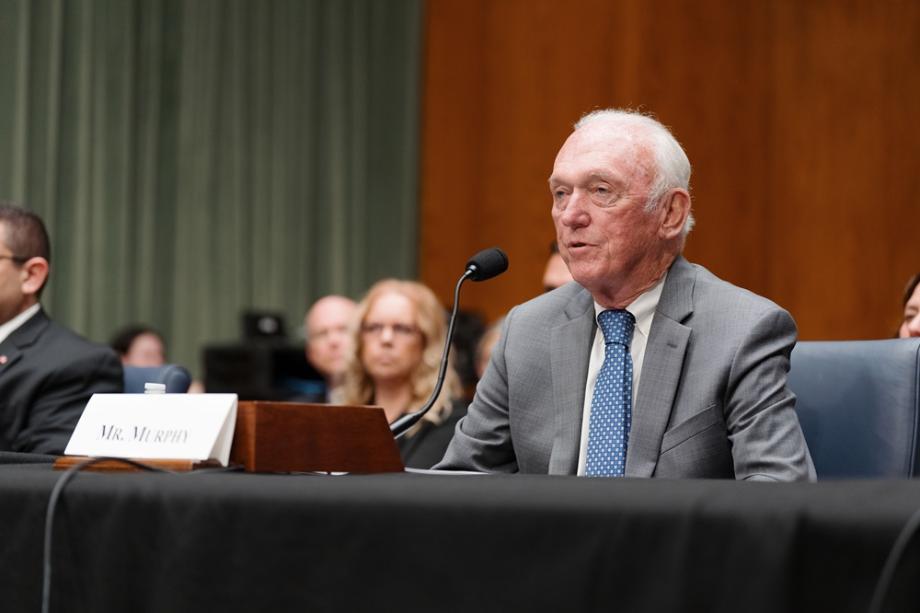
| James R. Murphy | Chairman | Expires Dec. 16, 2027 | Sworn in Jan. 7, 2026; designated Chairman Mar. 26, 2026; more than 47 years of prior NLRB service. |
| Scott A. Mayer | Member | Expires Dec. 16, 2029 | Sworn in Jan. 7, 2026; former Chief Labor Counsel for The Boeing Company; prior senior labor roles at major employers. |
| David M. Prouty | Member | Runs until Aug. 2026 | Biden nominee confirmed in 2021; former General Counsel of SEIU Local 32BJ and former counsel for several labor organizations. |
The practical result is a three-member Board with two Trump-appointed members and one Biden-appointed member, leaving two vacancies on what is designed to be a five-member body. That composition gives the current Board a clear operating direction, but not unlimited stability. A vacancy, recusal, expiration of a term, or delayed confirmation can still affect the pace and scope of Board action.
Why the Quorum Matters
Murphy and Mayer were sworn in on January 7, 2026, which restored the Board’s quorum to conduct agency business. That is more than a procedural footnote. Without a quorum, the Board cannot function normally as the final administrative decision-maker in unfair labor practice and representation cases.
With a quorum restored, employers should expect pending cases to move and key legal questions to return to the Board for review. The agency has already signaled a focus on case processing: in May 2026, the General Counsel announced a bulk transfer of approximately 3,500 unfair labor practice cases to address a regional-office backlog.
What Is Likely to Change?
The new Board is likely to take a harder look at several labor-law positions advanced in recent years. Employers should watch for activity involving handbook rules, employer speech, union campaign communications, bargaining orders, expanded remedies, independent contractor standards, joint-employer issues, and election procedures.
That said, employers should not mistake a more employer-receptive Board for a free pass. Section 7 rights remain in force. Regional offices will still investigate charges. Administrative law judges will still develop records. Federal courts may still review and limit Board action. The facts of each case will still matter.
Do Not Ignore the General Counsel
The Board decides cases, but the General Counsel controls much of the agency’s enforcement machinery. Crystal S. Carey was sworn in as General Counsel on January 7, 2026, after Senate confirmation in December 2025. Her office supervises unfair labor practice investigations, litigation decisions, and field-office case handling. For employers, that means the direction of enforcement depends not only on who sits on the Board, but also on how the General Counsel prioritizes cases.
What Employers Should Do Now
Bottom Line
The NLRB is functioning again, and its current makeup points toward a meaningful shift in federal labor policy. Employers should welcome greater balance, but they should not build their strategy around political cycles. The better approach is to tighten policies, train leaders, strengthen employee relations, and stay ready for a Board that is now positioned to move.
Stay Informed, Stay Competitive
Join our newsletter for exclusive labor relations advice and industry updates.
Stay Informed,
Stay Competitive
Join our newsletter for exclusive labor relations advice and industry updates.